
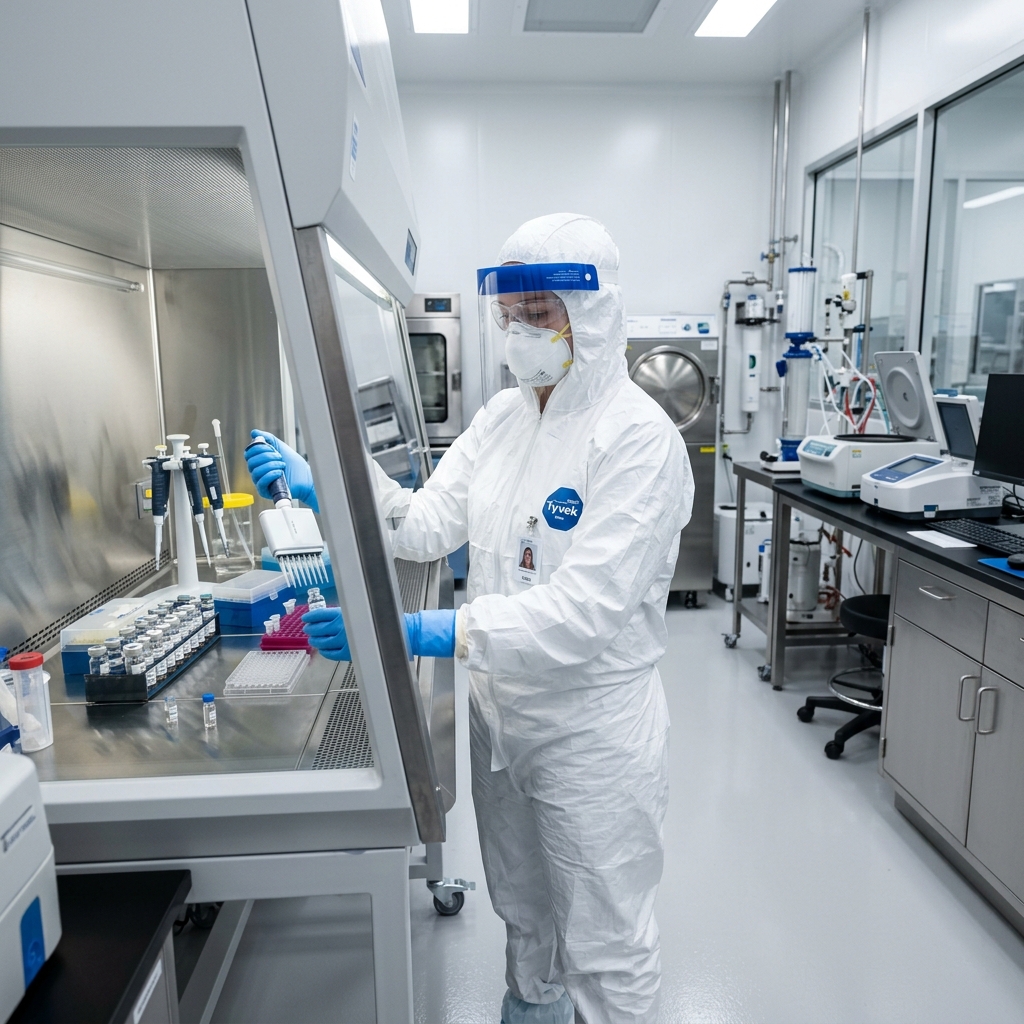
In the highly regulated and critical environment of the pharmaceutical industry, safety is paramount. Every step, from research and development to manufacturing and packaging, requires strict adherence to safety protocols to protect workers and ensure product integrity. Personal Protective Equipment (PPE) is the last line of defense in this sector.
Let’s explore the essential safety guidelines for PPE in the pharmaceutical industry and why choosing the right industrial uniforms is crucial.
1. Comprehensive Risk Assessment
Before selecting PPE, a thorough risk assessment must be conducted for each specific task.
Different areas of a pharmaceutical plant pose different risks, from chemical exposure and biological hazards to mechanical risks. PPE must be tailored to address the specific hazards present in each workstation. This includes selecting the right grade of gloves, respiratory protection, and protective clothing.
2. The Role of Specialized Pharma Uniforms
Standard workwear is often insufficient for pharma environments. Specialized pharmaceutical uniforms must:
- Be Lint-Free: To prevent product contamination.
- Offer Chemical Resistance: To protect workers from spills.
- Be Antistatic: To prevent sparks in environments with flammable powders or solvents.
- Withstand Sterilization: High-temperature laundering is essential to maintain hygiene.
3. Proper Donning and Doffing Procedures
PPE is only effective if it is worn and removed correctly.
Cross-contamination is a major risk in pharmaceuticals. Strict protocols for putting on (donning) and taking off (doffing) PPE must be followed to ensure that contaminants are not carried from one area to another. Regular training and monitoring are essential to maintain these standards.
4. Maintenance and Regular Inspection
PPE must be regularly inspected for any signs of wear, tear, or degradation. A compromised lab coat or a torn glove can lead to serious safety breaches. Damaged equipment should be replaced immediately. Furthermore, PPE should be stored in clean, designated areas to prevent contamination between uses.
5. Employee Training and Compliance
Safety is a collective responsibility. All employees must be thoroughly trained on the importance of PPE, how to use it correctly, and the specific guidelines of the facility. Fostering a culture of safety compliance is key to safeguarding both the workforce and the product.
At UniPride, we are committed to manufacturing high-quality healthcare and industrial uniforms that meet the exacting standards of the pharmaceutical industry. Our products are designed for safety, comfort, and compliance.
Frequently Asked Questions
What is the most critical PPE in a pharma lab?
The lab coat and appropriate gloves are fundamental, as they provide a barrier against chemical splashes and biological contaminants while maintaining product purity.
How often should pharma uniforms be laundered?
Pharma uniforms should be laundered daily in specialized industrial facilities that can ensure the removal of all chemical and biological residues.
Are there specific standards for pharmaceutical footwear?
Yes, footwear must be closed-toe, non-slip, and often antistatic or chemical-resistant to ensure worker safety in a laboratory environment.